Your Constitutional
Rights Enforced
If a police officer used force against you at a protest, arrested you for filming, or violated your constitutional rights — you have legal options. This office exists to enforce them.
If Your Rights Were Violated
If you were arrested, struck, or had your rights violated at a protest — take these steps
Submit Your Contact Info
If LAPD or LASD arrested or struck you while you were protesting, submit your contact information and a brief description so this office can review it.
Contact the Office →Preserve Your Evidence
Save everything: photos of injuries, video footage, witness contact information, medical records, and any official communications. Do not delete anything.
Know Your Deadlines
Claims against California government entities typically require a tort claim within six months. Federal § 1983 claims have a two-year statute of limitations. Act quickly.
Practice Areas
Civil rights litigation throughout California
Police Misconduct & Excessive Force
Section 1983 claims against law enforcement officers and agencies for unconstitutional stops, searches, arrests, and use of force.
First Amendment & Press Freedom
Representation of journalists, photographers, and protesters whose rights to observe and record police have been violated.
Public Records Litigation
California Public Records Act writ proceedings to compel disclosure of law enforcement records, body camera footage, and surveillance data.
Systemic Misconduct Cases
Litigation challenging systemic police conduct, including force used against many people at once at protests and patterns of constitutional violations.
Protest & Assembly Rights
Bane Act, Ralph Act, and § 1983 claims against LAPD, LASD, and other agencies for protest-related arrests, detentions, and use of force.
Rights of Unhoused Individuals
Criminal defense and civil rights representation, including infraction defense, ADA accommodation requests, and anti-homeless enforcement challenges.
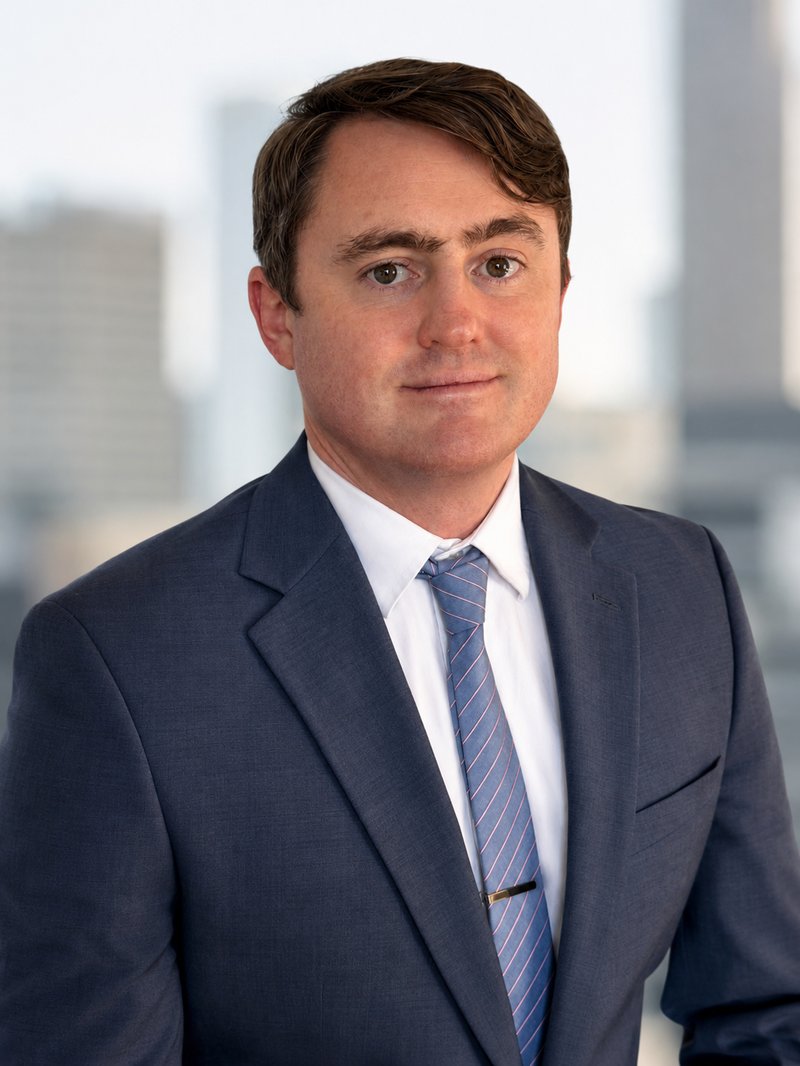
Weston C. Rowland
Weston Rowland is a civil rights plaintiffs' attorney based in Santa Monica, California, practicing as a solo practitioner.
His cases have included litigation arising from police use of force at protests, First Amendment retaliation claims against LAPD and other agencies, CPRA writ proceedings to compel disclosure of law enforcement records, and criminal defense for unhoused individuals.
He runs a legal clinic serving unhoused clients in Los Angeles.
Press & Media
"That's not how the First Amendment works… The solution is to stop indiscriminately shooting at people, stop interfering with free press, and follow the law."— Weston Rowland, quoted in The Southlander
on The Southlander v. LASD
Journalists Sue LAPD to Stop Attacks at Protests
Weston Rowland named as co-counsel, with Carol Sobel, in the LA Press Club and Status Coup suit against LAPD over unlawful use of force against journalists.
L.A. Press Club, Media Outlets Sue Los Angeles County for Harm to Journalists
Counsel in the related suit against LA County and LASD over injuries to journalists covering protests.
The Southlander v. LASD
Representing The Southlander in First Amendment litigation against the Los Angeles County Sheriff's Department.
LAPD Sued by LA Press Club for Assaulting Press During Protests
Listed among counsel for the plaintiffs in press freedom litigation against LAPD.
LA Press Club Files Suit over LAPD Abuse of Journalists During Protests
Named among co-counsel in litigation over LAPD's treatment of journalists at protests.
Serious Advocacy
for Serious Violations
Plaintiffs' Perspective
This office represents people whose rights have been violated — not agencies or institutions. Every case is approached from the standpoint of the individual.
Litigation Experience in State and Federal Court
From § 1983 claims to CPRA writ proceedings, the work spans the full arc of civil rights litigation in California state and federal courts.
Community-Rooted Practice
In addition to litigation, Weston runs a legal clinic serving unhoused clients in Los Angeles — because access to justice matters beyond the courthouse.
The First Amendment protects the right to observe and record police in public. Federal courts, including the Ninth Circuit, have recognized that right for decades.
Frequently Asked Questions
Can I sue the police for using excessive force at a protest in Los Angeles?
Potentially, yes. Federal law (42 U.S.C. § 1983) allows civil claims against officers and agencies for constitutional violations, including excessive force. California law provides additional claims under the Bane Act and Ralph Act. Deadlines are short — claims against California government entities generally require a government tort claim within six months of the incident.
Is it legal to film the police in California?
Yes. The First Amendment protects the right to observe and record police performing their duties in public, and California Penal Code § 148(g) confirms that recording alone is not a basis for arrest. If you were arrested, detained, or had force used against you for filming police, you may have a civil rights claim.
How long do I have to file a claim against LAPD or LASD?
Claims against California government entities typically require a government tort claim within six months. Federal § 1983 claims are generally subject to a two-year statute of limitations. Acting quickly preserves both evidence and legal options.
How do I get body camera footage or other police records in California?
The California Public Records Act (CPRA) — including SB 1421 and AB 748 — requires disclosure of certain police personnel records and critical-incident footage. When agencies refuse to produce records, a CPRA writ petition can compel disclosure. This office litigates CPRA matters against law enforcement agencies.
What should I do if my rights were violated at a protest?
Preserve everything: photos of injuries, video footage, witness contact information, medical records, and any official communications. Write down what happened while it is fresh. Then contact a civil rights attorney promptly, because the deadlines for claims against government entities are short.
What kind of lawyer handles police misconduct cases?
Civil rights attorneys — specifically plaintiffs' lawyers who litigate under 42 U.S.C. § 1983 and related state laws. Weston Rowland Law is a civil rights practice in the Los Angeles area focused on police misconduct, protest-related claims, First Amendment retaliation, and public records litigation.
Legal Guides & Resources
What Is a Monell Claim? How a City or County Can Be Sued Under Section 1983
How a city or county can be sued under Section 1983: the Supreme Court's words in Monell and after, and the Ninth Circuit's model jury instructions.
Read the Guide →What Does California's No Kings Act, Civil Code Section 53.8, Say?
The text of California's No Kings Act, Civil Code 53.8, with 42 U.S.C. 1983, Section 1 of SB 747, and the bill's enactment record.
Read the Guide →What Do the Bane Act, the Ralph Act, and Section 1983 Each Add to a Police Misconduct Case?
How Section 1983 and California's Bane Act and Ralph Act differ in a police misconduct case: what each covers, who is liable, and the remedies.
Read the Guide →Contact the Office
Weston Rowland Law
Reach out to discuss your matter. Initial contact is available for potential clients with civil rights claims.
Santa Monica, CA 90405
Send a Message
Briefly describe your situation and this office will review it.